
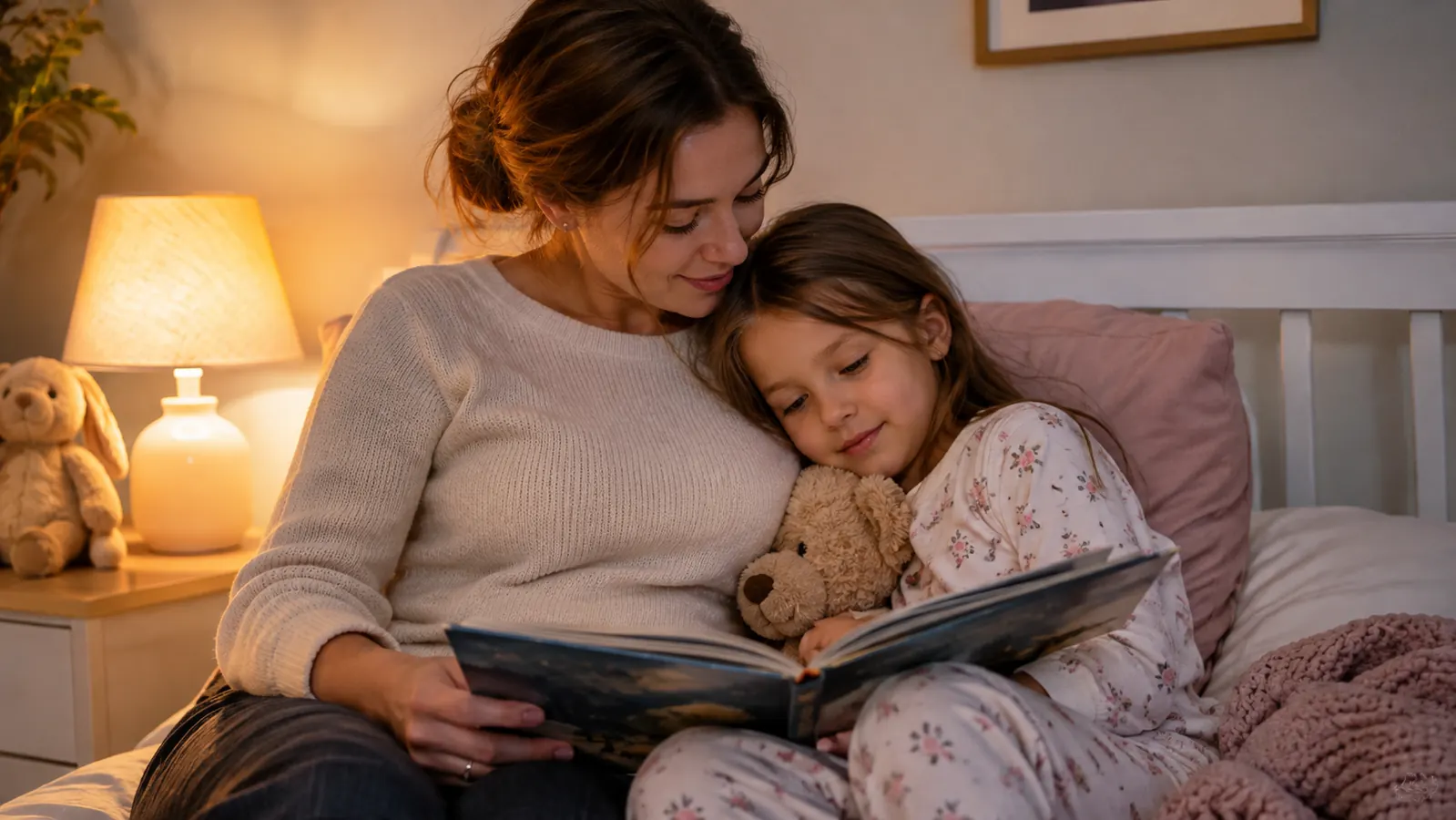
Nora was five the fall she started saying I can't before she had tried anything. Not big things. A zipper. A puzzle piece that looked hard. The first page of a tracing workbook. She would look at the page, decide it was already beyond her, and slide off the chair.
I work the front desk at a dental office in Dayton, Ohio. I am not a teacher and I am not a librarian and I do not have a degree in anything related to children. By 7:30 at night I am out of opinions. But I am the one who reads aloud in our house, so I started paying attention to what my kids actually say back.

In September 2025 I bought one book to try. I Am Enough, written by Grace Byers and illustrated by Keturah A. Bobo. It is a large square hardcover from HarperCollins, 32 pages, listed for ages 3 to 7. It is a short rhyming poem about liking yourself, being kind, and treating other people with respect. There is no plot in it at all.
That last part turned out to matter more than I expected, in both directions. I read it to Nora in her room about three nights a week. It takes under five minutes, which is roughly the length of her attention after a school day. It lives on her shelf. Her brother Eli, who is ten, is well past it and rolls his eyes at the sight of the cover.
The book itself is ten inches square and about an inch thick, and it has held up to fourteen months of a small child carrying it around by one corner. The pages are not torn. The spine is not broken. That sounds like a small thing until you have bought a paperback picture book that came apart by March.
By around Thanksgiving she was saying kind things about herself without being asked. I did not prompt it and I did not praise it. I just noticed it.
The book that has stayed on her shelf for fourteen months
Three nights a week, under five minutes a night, and it is still the one she reaches for. Today's price is on the listing.
Amazon Check Today's Price on Amazon →Here is the honest description of what you get. The book is a poem, not a story. There is nobody to follow, no problem to solve, no page where something goes wrong and then gets fixed. Some nights that is exactly what I want, because a poem you can read in four minutes and close is a gift at bedtime. Some nights it is not.
The listing puts it at ages 3 to 7, preschool through third grade. That matches what I have seen in my own house. At five, Nora was on the young end and needed me to explain what she was hearing. At seven she will be reading it to herself. I would not hand it to a nine year old and expect a reaction, and mine did not give one.
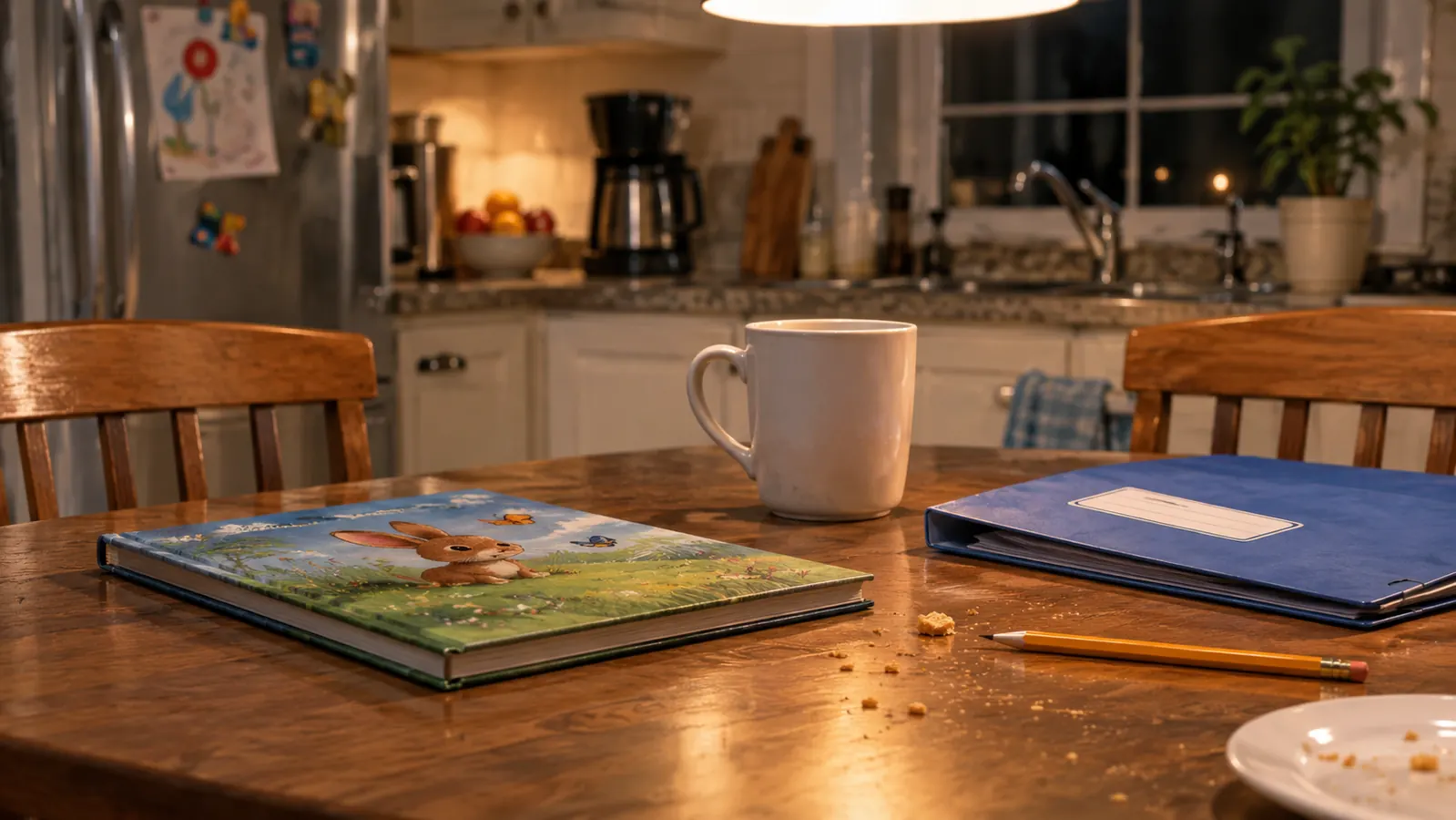
On a wiggly night it does not hold her. She flips ahead. She asks whether we can read the one about the yet, which is a different book that lives in a basket by the kitchen table. So I am not going to tell you this book commands a restless child, because it does not. It works when she is already settled.
The Byers text also runs ahead of a small kid. The rhyming is pleasant and the feeling behind it is plain, but a five year old does not automatically understand what she is agreeing with. I stop and talk. What does that word mean. Do you know anybody like that. It is a four minute read and a ten minute conversation if you do it properly.
What I did not do was turn it into a lesson. No quiz at the end, no asking her to repeat anything back to me. I read it, I closed it, I turned off the lamp. Which is why the thing that happened around Thanksgiving 2025 surprised me. She said something kind about herself, unprompted, in the middle of something else entirely. Not to me. Just out loud.
Eli is ten and this book is not for him, and I want to be clear about that. He is the reason I started buying books at all, after he stopped raising his hand in math in fourth grade. But a rhyming picture book does not reach a ten year old who has quietly decided he is bad at fractions. That took a different book entirely, plus a journal, plus most of a year.
What I'd Tell You If We Were Sitting at My Kitchen Table
I would tell you to buy it for the child who is hard on herself, not for the child who is already fine. I would tell you it is a good book and not a cure, and that anyone who says otherwise has not watched a six year old for very long. Fourteen months in, Nora still has mornings where she says she cannot do something before she tries it. This book did not remove that. What changed is smaller and a lot more useful. She has words for liking herself now, and sometimes she uses them out loud without noticing she is doing it.
I would also tell you that the price of admission is your voice, not the book. Grace Byers wrote the poem and Keturah Bobo made the pictures, and neither of them can stop mid page and ask your kid a question. That part is yours. If you plan to hand it over and leave the room, it will be a pleasant four minutes and nothing more. I borrowed a louder, funnier book from the Dayton public library that same fall. Nora liked it fine. She did not ask for it again.
For the kid who says I can't before she tries
This is the one we read at bedtime, three nights a week, for fourteen months. It is not a cure. It is a good four minutes, and she asks for it.
Amazon Check Today's Price on Amazon →