

Nora started first grade in August, and the two weeks before that were a long string of no. No to the new shoes. No to the bus. No to the playground on the way home. She had spent kindergarten saying I can't about almost anything new, and I had spent a year answering her with the things parents say, which is to tell her she could, and then watch her not believe a word of it. The week before school started I bought Gabi Garcia's I Can Do Hard Things, and I did not expect much from it. A 36 page book of affirmations for ages 3 to 7 is not a plan. It is a small thing you try because you have run out of ideas.
Here is what changed. Nothing dramatic, and nothing a school would put in a report. What changed is that we had something to do at 7:20 in the morning that was not me talking. The book lives on the kitchen counter now, and I read a few pages with Nora at breakfast about three mornings a week. Below are the ten reasons it earned that spot, written for parents who are tired of being told a book will fix their child. It will not. It gives you something to do while your child works it out.
The book that ended up on my counter, not on the shelf
I Can Do Hard Things is a short affirmation book from Gabi Garcia for ages 3 to 7. 36 pages, about five minutes at the breakfast table. It was the third of five books I bought this year, and the only one that changed a weekday morning.
Amazon Check today's price on Amazon →It fits in the four minutes between cereal and shoes
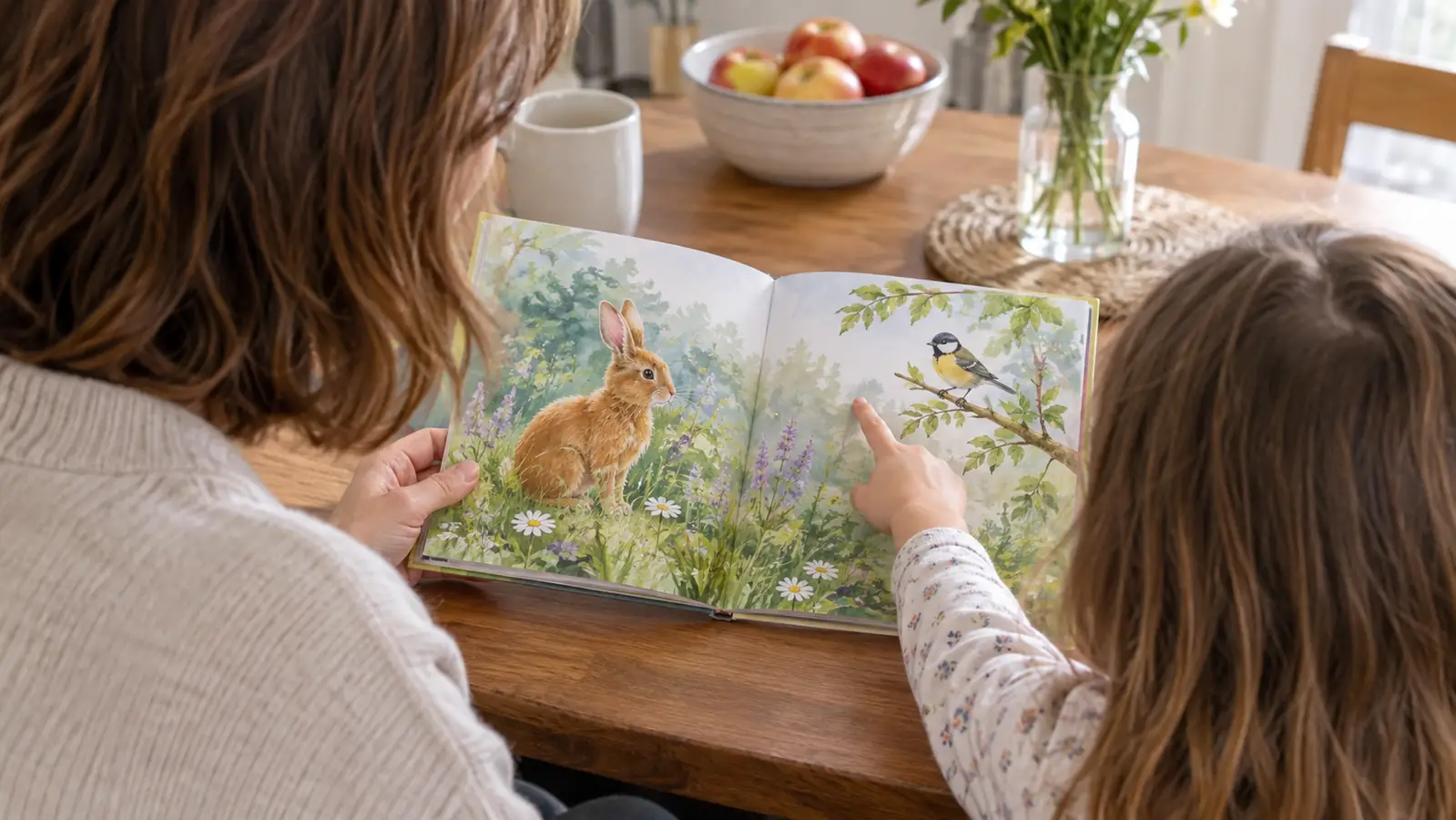
The morning window is about four minutes wide and it is the worst four minutes of the day for a six year old. This book is built for that window. I open it, we read a few pages, and then we are done and moving. Nothing about it needs a calm child or a long attention span, which is the whole reason it survives contact with a real weekday.
A few pages is the entire commitment
There is no chapter to finish and no bookmark to lose. I read a few pages out loud and close it. On a bad morning that is two pages. On a good one it is six. The low floor matters more than the ceiling, because a routine you can do badly is a routine that keeps going. Books that demand ten focused minutes get skipped by Thursday in our house.
It hands a nervous kid words before she has her own
A six year old who is scared at the door does not have language ready. She has a feeling and a stomachache. Short affirmations give her something to hold that is not the feeling. That is the entire mechanism as far as I can see from my kitchen. I am not saying it rewires anything. I am saying she had words at the door instead of only a knot.
It works on the mornings when I have nothing left to say
By the third week of school my encouraging sentences were worn out and I could hear myself repeating them. Open the book and the talking is handled for me. That is not a small thing for a parent who is also hunting for two matching socks. Some mornings I am the one who needs the reset, and reading a page out loud in a steady voice settles me before it settles her.
It treats a hard moment as normal instead of an emergency
The title is the whole premise. Hard is part of the day, not a crisis to solve before 8am. That framing helped me more than it helped Nora at first. I had been treating every I can't as a problem to fix on the way out the door. The book names hard things and moves on, and after a few weeks I was doing the same thing with my own reaction.
The words are in her voice, not mine
Affirmations are first person. She is the one saying it, not me saying it at her from the doorway, and that change in direction matters more than I expected. When I say you can do this, she hears a parent managing her. When the sentence is in her own mouth, she has to be the one holding it. Garcia built the book around that idea, and it is why it works on a child who ignores advice.
It is small enough that she can carry all of it in her head
36 pages, 8.5 by 8.5 inches, light enough for a first grader to hold herself. She has started flipping to the pages she likes without me. That is the point where a book stops being a parent's tool and becomes the child's own object, and it happened here in about six weeks. An older kid would find it thin. A six year old finds it the right size.
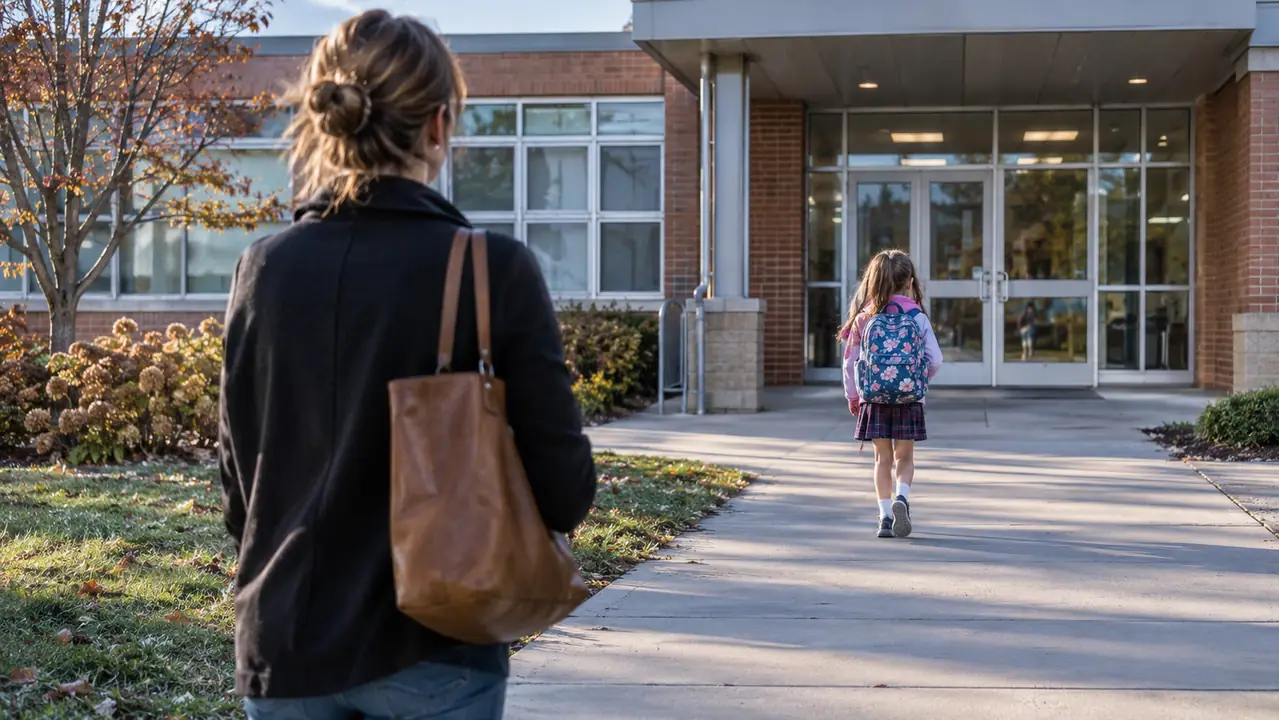
It got us to the door on the first day, nerves and all
First day of first grade she was still nervous. She held my hand the whole way to the door and I could feel her deciding. Then she walked in. I want to be careful here, because it would be easy to write a story where the book did that. The book did not do that. What it did was put a sentence in her head so she was not walking in empty handed.
Anyone can run it, so the routine does not depend on me
The instructions are read a few pages out loud, slowly, then stop. A grandparent or a sitter can do that without a briefing. My husband Mark is out of the house before breakfast, so it is usually me, but the routine does not fall apart when it isn't. A habit only one person can run is fragile. This one isn't.
It is the one I would buy again first
I bought five books over about ten months and read the same handful of pages more times than I can count. If I had to start over with a nervous six year old and a school door, this is the one I would buy first, because it plugs into a morning I already have. It is not the richest book on our shelf and it is not the one I would hand a nine year old. It is the one that gets used.
The book did not get her through the door. It gave her something to say while she did it herself.
What I'd Skip
I would skip this for a child past about eight, and I would skip it for a kid who wants a story at bedtime. There is no plot here and the pages do not build toward anything. Nora sits for it in the morning and would not sit for it at night, which is why a different book handles bedtime in our house. If you are looking for something a child writes in, this is not that either. It is a book you read out loud, a few pages, and then put back on the counter.
I would also skip it if you are hoping a book will take the nerves away. Three months in, Nora still has hard mornings and I still walk her to the door some days. The book changed what we do in those mornings, not whether they happen. And it is thin on purpose. That is the feature at breakfast and the limitation everywhere else. If your child needs more than short affirmations, a journal does a different job at a different age. If you want the longer walk through how we got here, the full review covers it, and the comparison with Don't Feed the WorryBug is worth reading before you buy either one.
If your mornings sound like mine, start with the short one
I Can Do Hard Things is 36 pages of affirmations from Gabi Garcia for ages 3 to 7. A few pages at breakfast, three mornings a week, is the whole routine in our house. Honest limits: no story, nothing much for an older child, and no promise that it removes the nerves.
Amazon See today's price on Amazon →