

The Big Life Journal daily journal lives in the kitchen drawer, under the takeout menus and the good scissors. Eli put it there himself. That small detail matters more than anything else I can tell you about it, because in nine months I have never once had to remind him where it is.
Here is the part I got wrong for a whole fall. Eli stopped raising his hand in math in fourth grade after one bad fractions quiz. One quiz. He came home, set his backpack down, and announced that math was not his thing. I did what I think a lot of moms do. I told him he was good at math. He looked at me like I had read that off a card.

I had picture books in the house by then, the ones I read to Nora at bedtime, and I tried them on Eli. He was nine. He rolled his eyes at every one of them. Fair enough. They are built for a smaller kid, and he knew it.
I want to be clear about what this was not. There was no bullying, no meeting with his teacher, no tutor. He had one bad quiz and decided something about himself, and I watched it harden into a fact in his head.
So in February I went looking for something that was actually his. The listing describes a hardcover book, 112 pages, with a bookmark, about eight by six inches, for ages five to eleven, and it calls the whole thing a five-minute daily practice. Those five minutes were the entire reason I clicked. Not a workbook to finish. A few minutes a night, then close it.
It arrived on a Tuesday. He looked at the cover and asked if it was homework. I said no. He asked what it was, and I said it was his, and that he could skip a night whenever he wanted. That was the deal I made, and I have kept it.
He skipped most of April and May for baseball season. Nothing collapsed. The journal sat in the drawer, and when the season ended he picked it back up on his own.
The five-minute thing I finally stopped nagging him about
Hardcover, 112 pages, a bookmark, and prompts he answers himself. It is the only book in this house that Eli owns rather than borrows.
Amazon Check Today's Price on Amazon →The first two weeks were rough. He answered in three or four words and shoved it back toward me. I did not push. I asked once, sitting down, and if he said not tonight, I said okay. Around the third week he started writing longer answers without being asked.
The book itself is plainer than I expected, and that helped. Plain ruling, a cardboard cover, a bookmark so he does not lose his spot. No cartoon animal telling him how to feel about his day. The Big Life Journal prompts ask about feelings, the good parts and the not so good parts, and the idea that he can get better at things by working at them. He writes after dinner, about four nights a week, at the kitchen table, and I sit at the other end with my coffee.
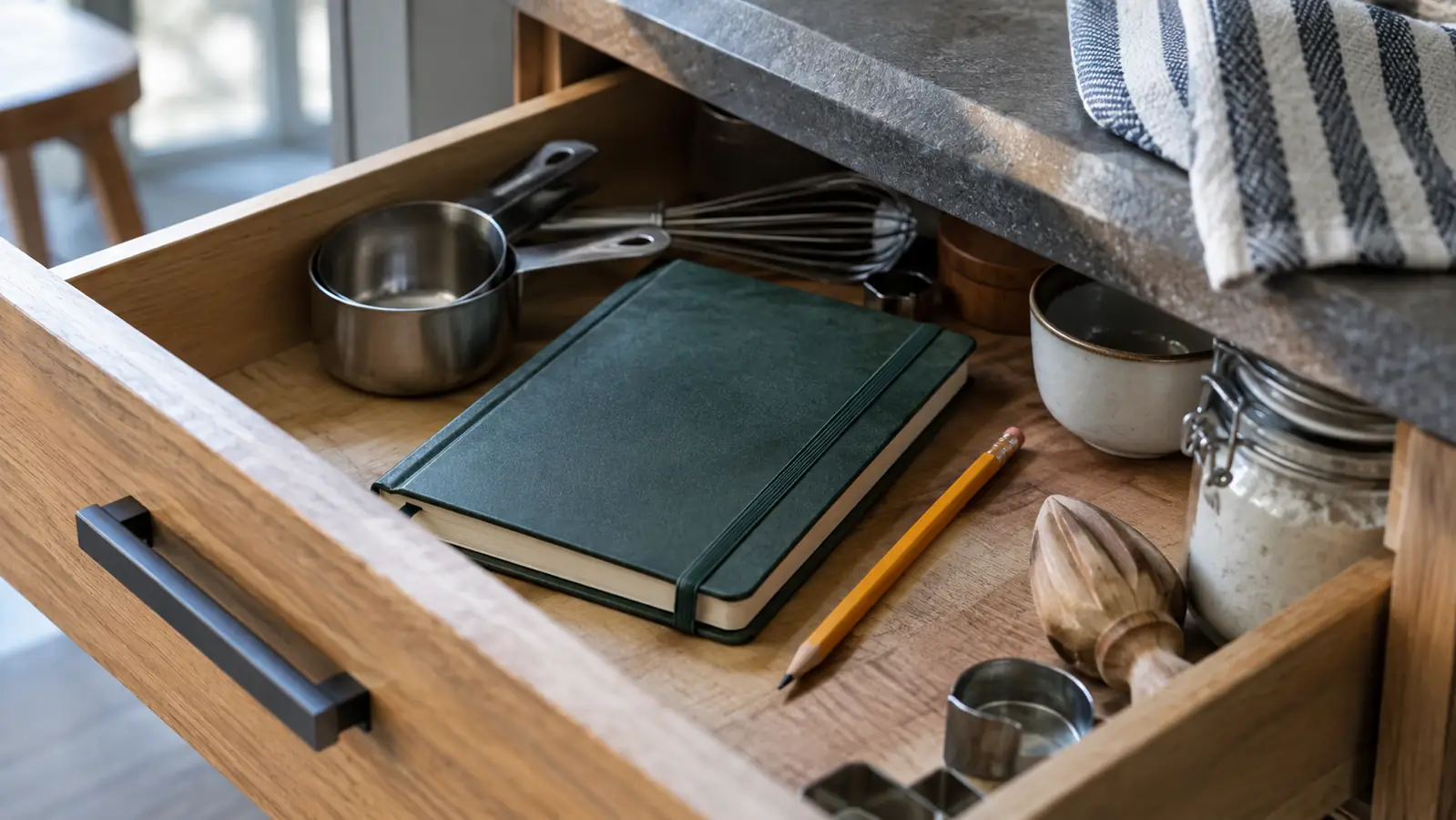
He shows me what he wants to show me. Some nights he reads me a line out loud. Some nights he shuts it and puts it back in the drawer. I have never opened it while he was at school, and I want to say that plainly, because I think that is the difference between a journal a kid keeps and a journal a kid quits.
He has filled about half of it since February. By spring he was raising his hand in math now and then. Not every day and not in every class. Now and then. I noticed because I was watching for it, and I am not going to dress that up as a turnaround. In September he came home unhappy about a test and said, on his own, that he needed more practice. Then he asked for a snack. That was the whole conversation, and it was enough for me.
The honest cons. Some of the prompts feel young to a ten year old, and he has told me so. It is easy to drop, which our spring proved. And it costs more than a plain notebook. You are paying for the prompts already being there, and you should decide for yourself whether that is worth it to you.
Nora is six and has never touched it. That is on purpose. She has her own books, the ones I read to her at bedtime and before homework, and those fit her. This journal is Eli's, and when he outgrows it I will not hand it down to her early just to get more use out of one book.
What I'd Tell You If We Were Sitting at My Kitchen Table
First, do not buy this as a fix. It is a book with questions in it, and a ten year old has to sit down and answer them. Some weeks Eli does not, and I let it go. If you are buying it to stop a kid from saying I can't, you are going to be disappointed by week three. I would buy the Big Life Journal again for Eli at ten. I would not buy it expecting a different child to come out the other end.
Second, leave it where they trip over it. Ours is in the kitchen drawer within arm's reach of the table, next to the pencils. A journal on a bedroom shelf is a journal nobody opens. And if your child is younger than about eight, I would wait a year. The prompts are good. The patience to sit and answer them is not there yet at six, and a book that gets abandoned in March is harder to bring back out than a book you never started too early.
Start with tonight, not with a whole new system
One book, five minutes, and a drawer he can reach. That is the entire setup that worked here. Check today's price on Amazon and look at whether the age range fits your kid before you order.
Amazon Check Today's Price on Amazon →